Dividing Decimals by Whole Numbers Lesson
 Example 1: The Lachance family drove cross country on a 4,615.8 mile trip in 49 days. Find the average number of miles driven per day.
Analysis: We need to divide 4,615.8 by 49 to solve this problem.
Step 1: Estimate the quotient using compatible numbers.
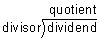

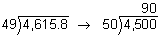
Step 2: Use long division to find the quotient.
| Decide where to place the first digit of the quotient. | |||
|
|||
| Round to estimate the quotient digit. | |||
 |
|||
| Multiply, subtract and compare. | |||
|




Bring down the next digit from the dividend. Continue dividing.
|
|||||||||||||||||||||

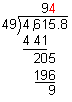
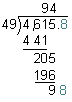
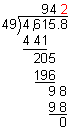
Place the decimal point in the quotient.
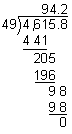
Check your answer: Multiply the divisor by the quotient to see if you get the dividend.

Step 3: Compare your estimate with your quotient to verify that your answer makes sense
Our quotient of 94.2 makes sense since it is close to our estimate of 90.
Answer: The average number of miles driven per day was 94.2.
Estimating the quotient lets us verify that the placement of the decimal point is correct, and that we have a reasonable answer. For example, if our estimate was 90 and our quotient was 9.42, then we would know that we made a division error. Let’s look at some more examples of dividing a decimal by a whole number.
Example 2: 
Analysis: The divisor 8 is larger than the dividend 6.6. Therefore, we will need to place a zero in the quotient.
Step 1: Estimate the quotient using compatible numbers.
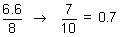
Step 2: Use long division to find the quotient.
| Decide where to place the first digit of the quotient. | |||||||||
|
|||||||||
| Round to estimate the next quotient digit. | |||||||||
 |
|||||||||
| Multiply, subtract and compare. | |||||||||
|
|||||||||
| Bring down the next digit from the dividend. Continue dividing. | |||||||||
|
|||||||||
|
|||||||||
|
|||||||||
| Place the decimal point in the quotient. | |||||||||
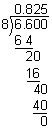 |
|||||||||
| Check your answer: Multiply the divisor by the quotient to see if you get the dividend. | |||||||||
 |






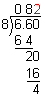

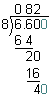

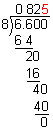

Step 3: Compare your estimate with your quotient to verify that your answer makes sense.
Our quotient of 0.825 makes sense since it is close to our estimate of 0.7.
Answer: The quotient of 6.6 and 8 is 0.825
Example 3: 
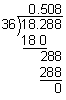
Analysis: The divisor 36 is larger than the dividend 18.288. Therefore, we will need to place a zero in the quotient.
Step 1: Estimate the quotient using compatible numbers.

Step 2: Use long division to find the quotient.
| Decide where to place the first digit of the quotient. | |||||||||||||||
|
|||||||||||||||
| Round to estimate the next quotient digit. | |||||||||||||||
 |
|||||||||||||||
| Multiply, subtract and compare. | |||||||||||||||
|
|||||||||||||||
| Bring down the next digit from the dividend. Continue dividing. | |||||||||||||||
|
|||||||||||||||
|
|||||||||||||||
| Place the decimal point in the quotient. | |||||||||||||||
 |
|||||||||||||||
| Check your answer: Multiply the divisor by the quotient to see if you get the dividend. | |||||||||||||||
 |
|||||||||||||||








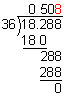
Step 3: Compare your estimate with your quotient to verify that your answer makes sense.
Our quotient of 0.508 makes sense since it is close to our estimate of 0.5.
Answer: The quotient of 18.288 and 36 is 0.508.
In Examples 1 to 3, we used long division and showed each step. When dividing a decimal by a whole number, we use the following procedure:
- Estimate the quotient.
- Perform the division.
- Remember to place a zero in the quotient when the divisor is larger than the dividend.
- Place the decimal point in your quotient.
- Check your answer: Multiply the divisor by the quotient to see if you get the dividend.
- Compare your estimate with your quotient to verify that the answer makes sense.
Example 4: 
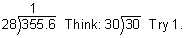
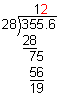
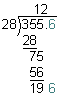
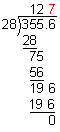
Analysis: 28 is the divisor and 355.6 is the dividend.
Step 1: Estimate the quotient using compatible numbers.

Step 2: Use long division to find the quotient.
| Decide where to place the first digit of the quotient. | |||||||||||||||||||||
|
|||||||||||||||||||||
|
|||||||||||||||||||||
| Round to estimate the quotient digit. | |||||||||||||||||||||
 |
|||||||||||||||||||||
| Multiply, subtract and compare. | |||||||||||||||||||||
|
|||||||||||||||||||||
| Bring down the next digit from the dividend. Continue dividing. | |||||||||||||||||||||
|
|||||||||||||||||||||
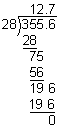
| Place the decimal point in the quotient. | |||||||||||||||||||||
 |
|||||||||||||||||||||
| Check your answer: Multiply the divisor by the quotient to see if you get the dividend. | |||||||||||||||||||||
 |
|||||||||||||||||||||





Step 3: Compare your estimate with your quotient to verify that your answer makes sense.
Our quotient of 12.7 makes sense since it is close to our estimate of 12.
Answer: The quotient of 355.6 and 28 is 12.7.
Example 5: 
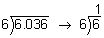
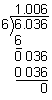
Analysis: 6 is the divisor and 6.036 is the dividend.
Step 1: Estimate the quotient using compatible numbers.
Step 2: Use long division to find the quotient.
| Decide where to place the first digit of the quotient. | ||||||||||||||||||||||||||||||||||
|
||||||||||||||||||||||||||||||||||
| Multiply, subtract and compare. | ||||||||||||||||||||||||||||||||||
|
||||||||||||||||||||||||||||||||||
| Bring down the next digit from the dividend. Continue dividing. | ||||||||||||||||||||||||||||||||||
|
||||||||||||||||||||||||||||||||||
| Place the decimal point in the quotient. | ||||||||||||||||||||||||||||||||||
 |
||||||||||||||||||||||||||||||||||
| Check your answer: Multiply the divisor by the quotient to see if you get the dividend. | ||||||||||||||||||||||||||||||||||
 |
||||||||||||||||||||||||||||||||||






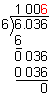
Step 3: Compare your estimate with your quotient to verify that your answer makes sense.
Our quotient of 1.006 makes sense since it is close to our estimate of 1.
Answer: The quotient of 6.036 and 6 is 1.006.
Example 6: Look for a pattern. Then find each quotient using mental arithmetic.
|
Answer:
| 36 ÷ 8 | = | 4.5 |
| 3.6 ÷ 8 | = | 0.45 |
| 0.36 ÷ 8 | = | 0.045 |
| 0.036 ÷ 8 | = | 0.0045 |
 Example 7: Sandy has 5.8 kg of coffee. If she puts the coffee into 8 bags, how much coffee will each bag contain?
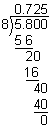
Answer: Each bag will contain 0.725 kg of coffee.
Summary: When dividing a decimal by a whole number, we use the following procedure:
- Estimate the quotient.
- Perform the division.
- Remember to place a zero in the quotient when the divisor is larger than the dividend.
- Place the decimal point in your quotient.
- Check your answer: Multiply the divisor by the quotient to see if you get the dividend.
- Compare your estimate with your quotient to verify that the answer makes sense.
Exercises
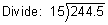
Directions: Read each question below. You may use paper and pencil to help you divide. Click once in an ANSWER BOX and type in your answer; then click ENTER. After you click ENTER, a message will appear in the RESULTS BOX to indicate whether your answer is correct or incorrect. To start over, click CLEAR.
1. |
|
| 2. |
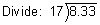
|
| 3. |
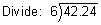
|
| 4. |
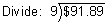
|
| 5. |
What is the average speed in miles per hour if a plane flew 1,856.4 miles in 5 hours? |